A soccer ball resting on the grass with an empty stadium in the background
// A GUIDE TO SPORTS EQUIPMENT

The gear behind the game

Every sport is built on a short list of objects — a ball, a shoe, a blade, a glove — refined over a century of trial, injury, and rule changes. This is a plain-language walk through what that equipment does, why it's shaped the way it is, and how to keep it working.

READING THIS PAGE An informational guide, not a store.
No prices, no checkout — just how
the equipment works and why it's
built the way it is.

Take the equipment out of any sport and the game changes entirely, sometimes into a different sport altogether. A soccer ball with the wrong bounce, a running shoe with the wrong drop, a racket strung too tight — each of these small specifications was arrived at the hard way, through decades of athletes testing the limits of what their gear could do before it broke, slipped, or held them back.

Equipment design sits at an odd intersection of physics, materials science, and stubborn tradition. A basketball's seams are engineered for grip under sweat. A cycling helmet's foam is calibrated to crumple in a very specific way. Even the humble tennis racket has gone through decades of frame material changes — wood, then aluminum, then graphite — each one changing how the sport is played at the highest level.

What follows is a closer look at seven pieces of equipment, chosen because between them they cover most of the ways gear interacts with the body: impact, grip, resistance, buoyancy, and protection.

A

Ball sports

Soccer, basketball, volleyball — equipment defined by bounce, seam pattern, and air pressure.

B

Footwear

Running shoes and cleats, built around drop, cushioning, and how the foot strikes the ground.

C

Protective gear

Gloves, helmets, and pads engineered to absorb and redirect force away from the body.

D

Precision tools

Rackets, bike drivetrains, and goggles — gear tuned for control rather than raw power.

THE EQUIPMENT

Seven objects, closely examined

Close-up of a colorful soccer ball resting on green grass
ITEM NO. 001
BALL SPORTS

The Soccer Ball

A regulation ball is built from 32 or fewer bonded panels wrapped around a rubber bladder, sized so it holds its shape under a full-force strike without going soft mid-match.

Air pressure matters more than most players realize — a few PSI in either direction changes how far the ball travels and how predictably it curves in flight.

Circumference68–70 cm
Weight410–450 g
Pressure0.6–1.1 atm
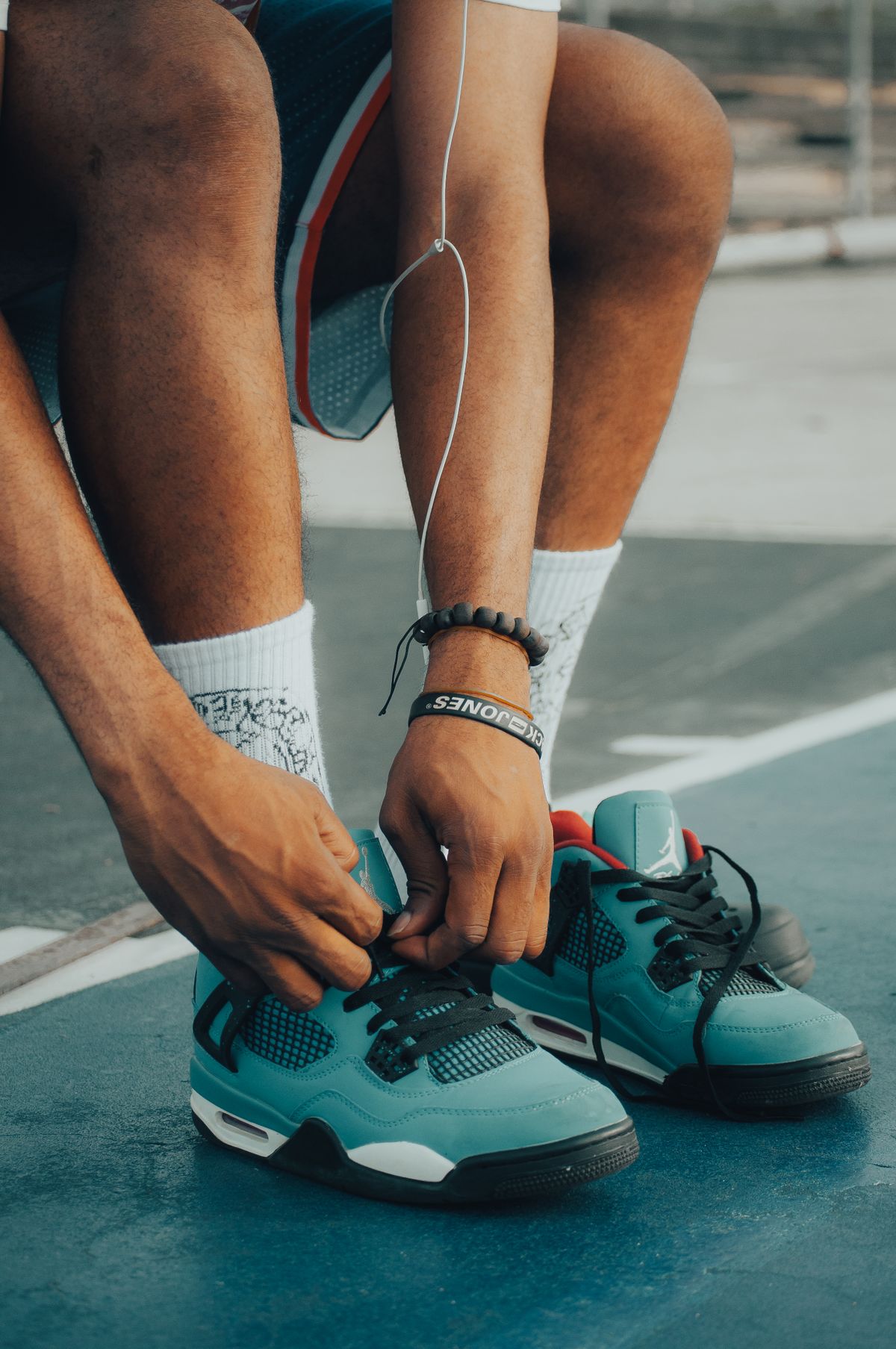
Close-up of a person tying the laces of a running shoe
ITEM NO. 002
FOOTWEAR

The Running Shoe

Underneath the styling, a running shoe is a stack of engineering decisions: a midsole foam tuned for energy return, an outsole pattern for grip, and a heel-to-toe "drop" that changes how the foot lands with every stride.

That drop, usually between zero and twelve millimeters, is one of the most argued-over numbers in the sport — lower drops encourage a forefoot strike, higher ones cushion the heel.

Heel-to-toe drop0–12 mm
Average lifespan500–800 km
Key materialEVA / TPU foam
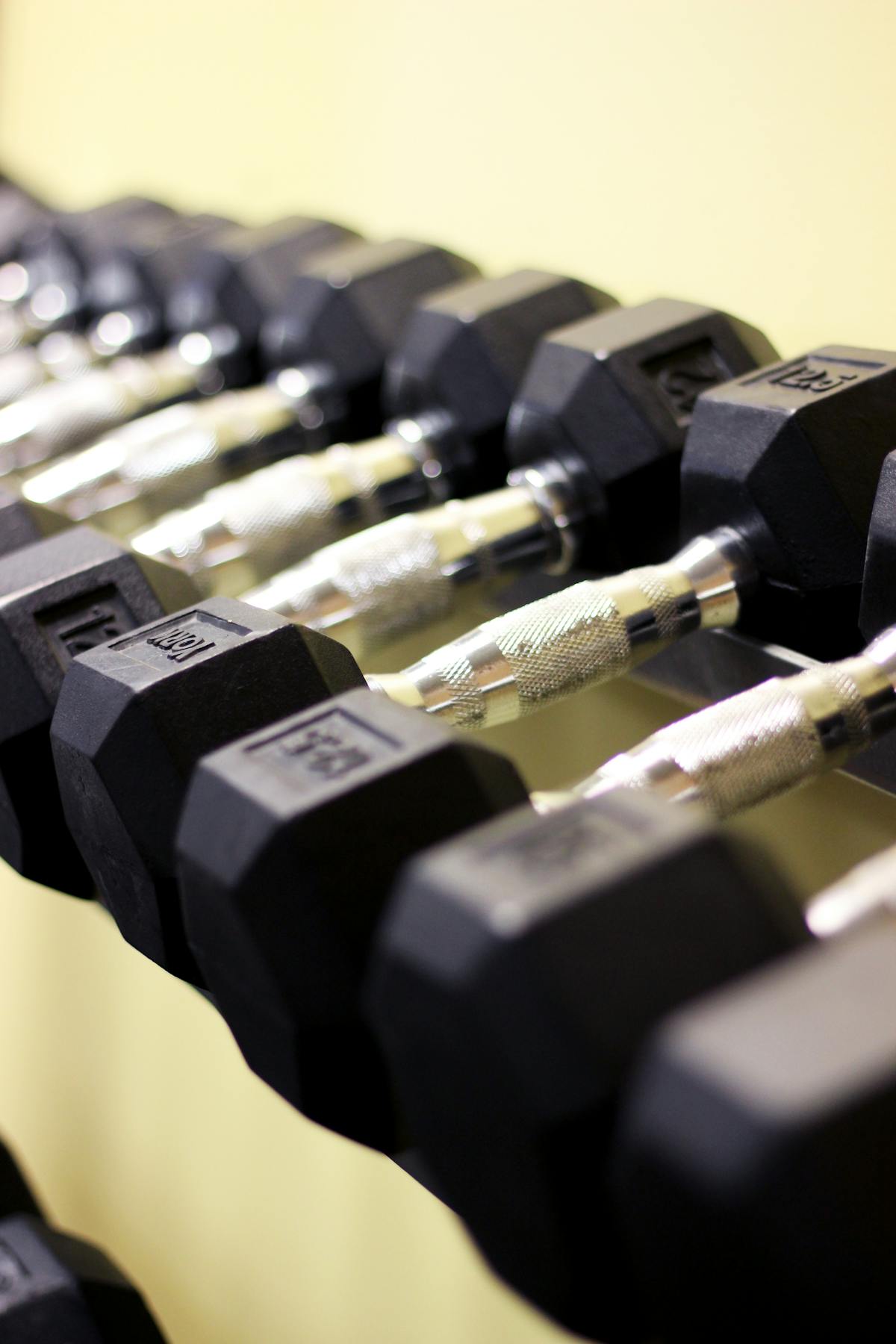
Rows of hex dumbbells lined up in a gym
ITEM NO. 003
TRAINING

The Dumbbell

Little has changed about the dumbbell's basic shape in over a century, because little needed to: a weighted bar you can grip with one hand is close to the simplest tool for building strength that exists.

The hex shape common in modern gyms isn't decorative — it keeps the weight from rolling once it's set down, a small design fix for a very old problem.

Common range1–50 kg
Standard shapeHexagonal head
MaterialCast iron / rubber-coated
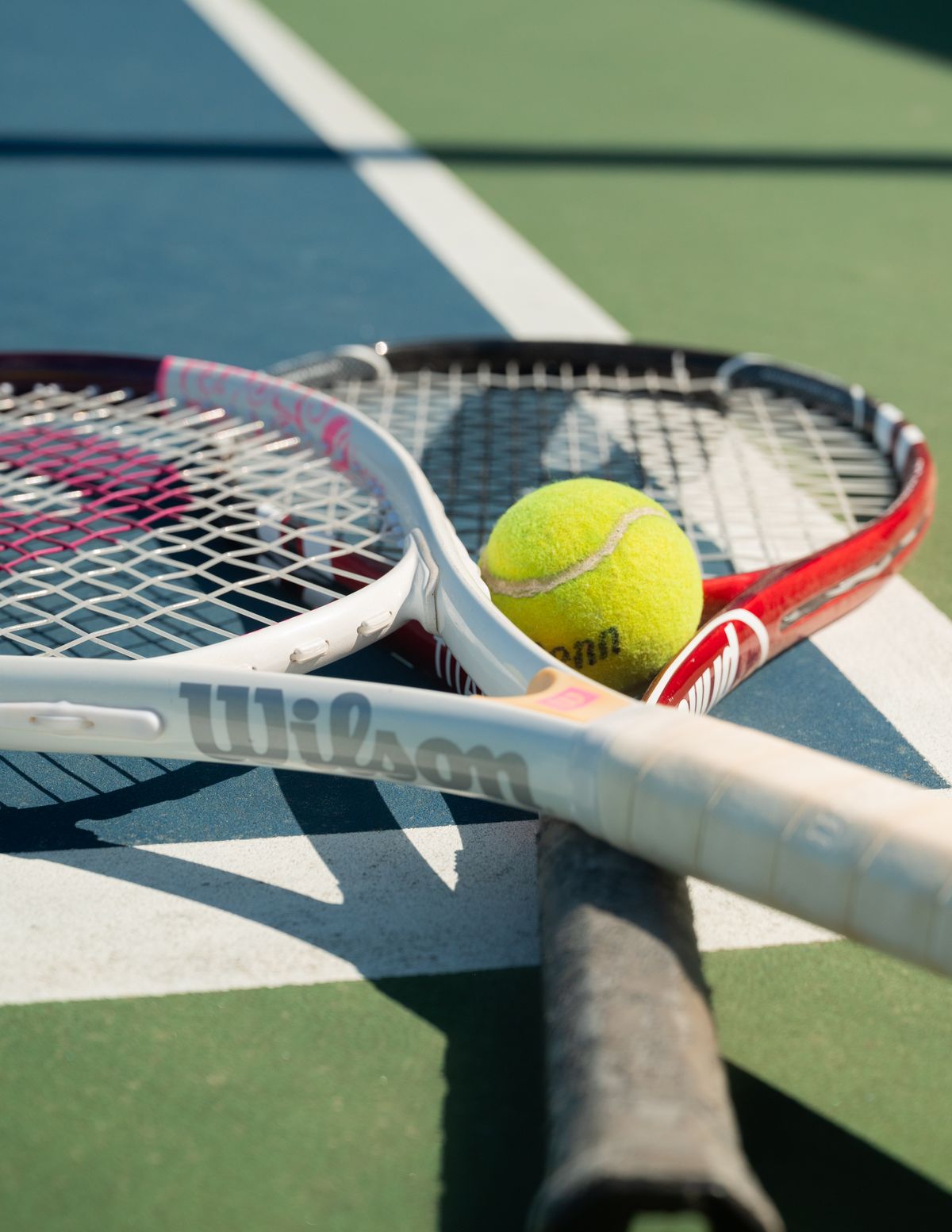
Tennis rackets and a ball resting on a tennis court
ITEM NO. 004
PRECISION TOOLS

The Tennis Racket

Rackets moved from solid wood to laminated wood to aluminum before settling on graphite composite in the 1980s — each shift making the frame lighter, stiffer, and able to generate more power with less swing.

String tension is the other half of the equation: looser strings add power, tighter strings add control, and most players spend years finding the number in between that suits them.

Frame materialGraphite composite
Typical weight250–330 g
String tension50–65 lbs
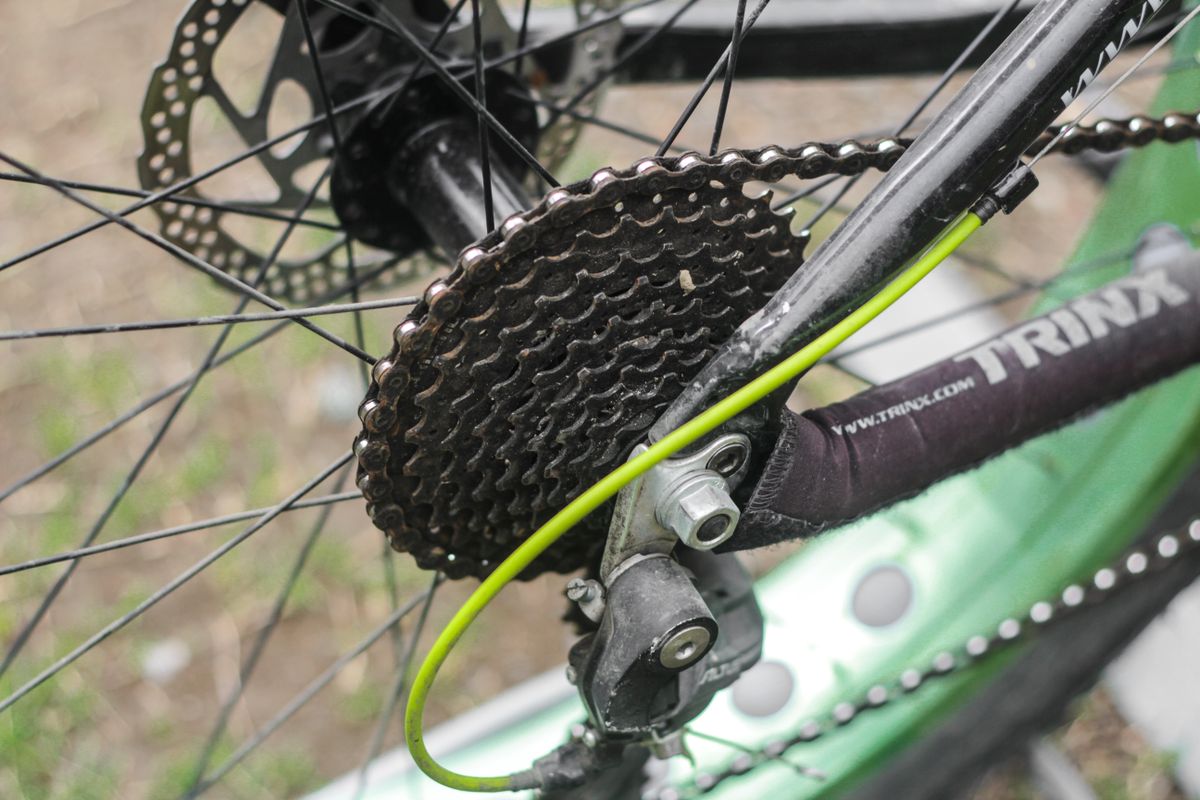
Close-up of a bicycle chain and gear cassette on a wheel
ITEM NO. 005
PRECISION TOOLS

The Drivetrain

A road bike's chain, chainrings, and rear cassette form a drivetrain that can offer well over twenty distinct gear ratios, letting a rider match their pedaling effort to a flat sprint or a mountain climb.

It's also one of the few pieces of sports equipment that needs regular, hands-on maintenance — a stretched chain or worn cassette tooth can cost real seconds over a long race.

Typical gear range22–24 speeds
Chain lifespan2,000–5,000 km
MaterialSteel / alloy
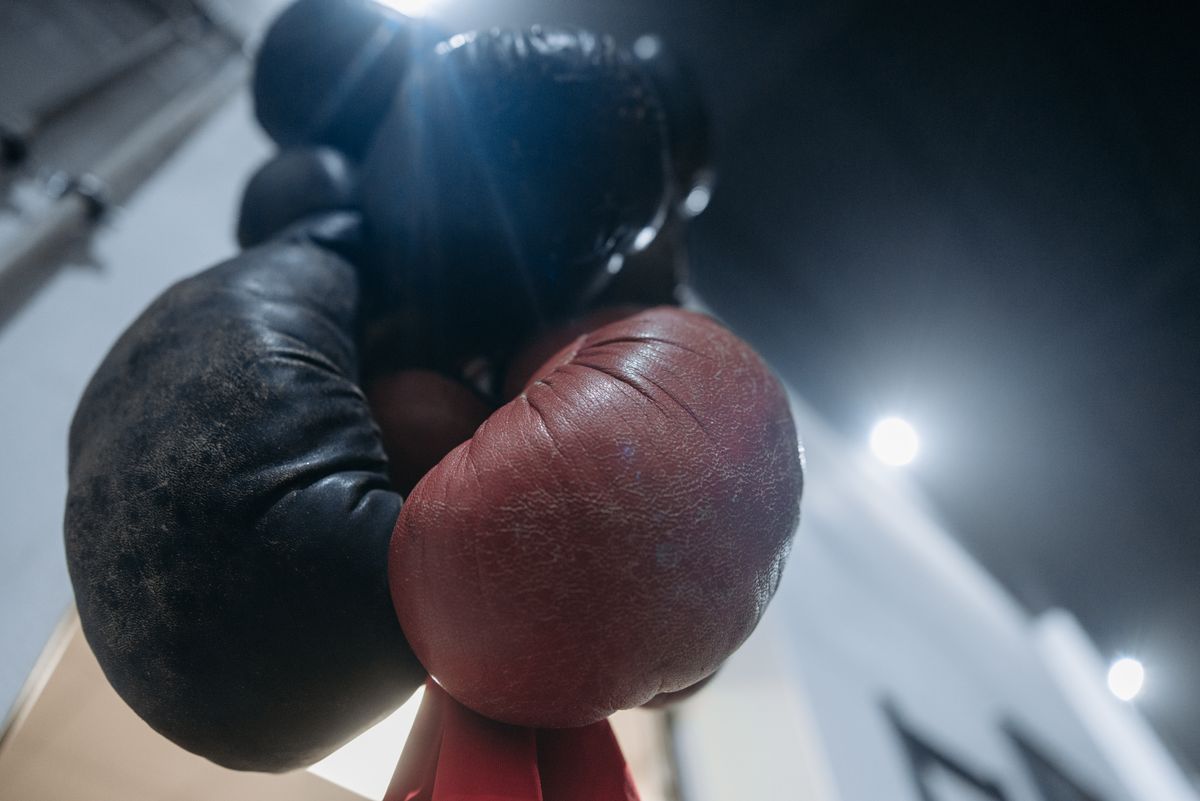
Close-up of red and black boxing gloves hanging in a gym
ITEM NO. 006
PROTECTIVE GEAR

The Boxing Glove

A boxing glove isn't primarily there to protect the person on the receiving end — its main job is to protect the wearer's hands, spreading the force of a punch across padding dense enough to prevent broken knuckles over hundreds of rounds.

Weight is regulated by discipline and sometimes by weight class, since heavier gloves change both the impact and the pace a fighter can sustain.

Common weights8–16 oz
PaddingHorsehair / foam
ClosureLace or hook-and-loop
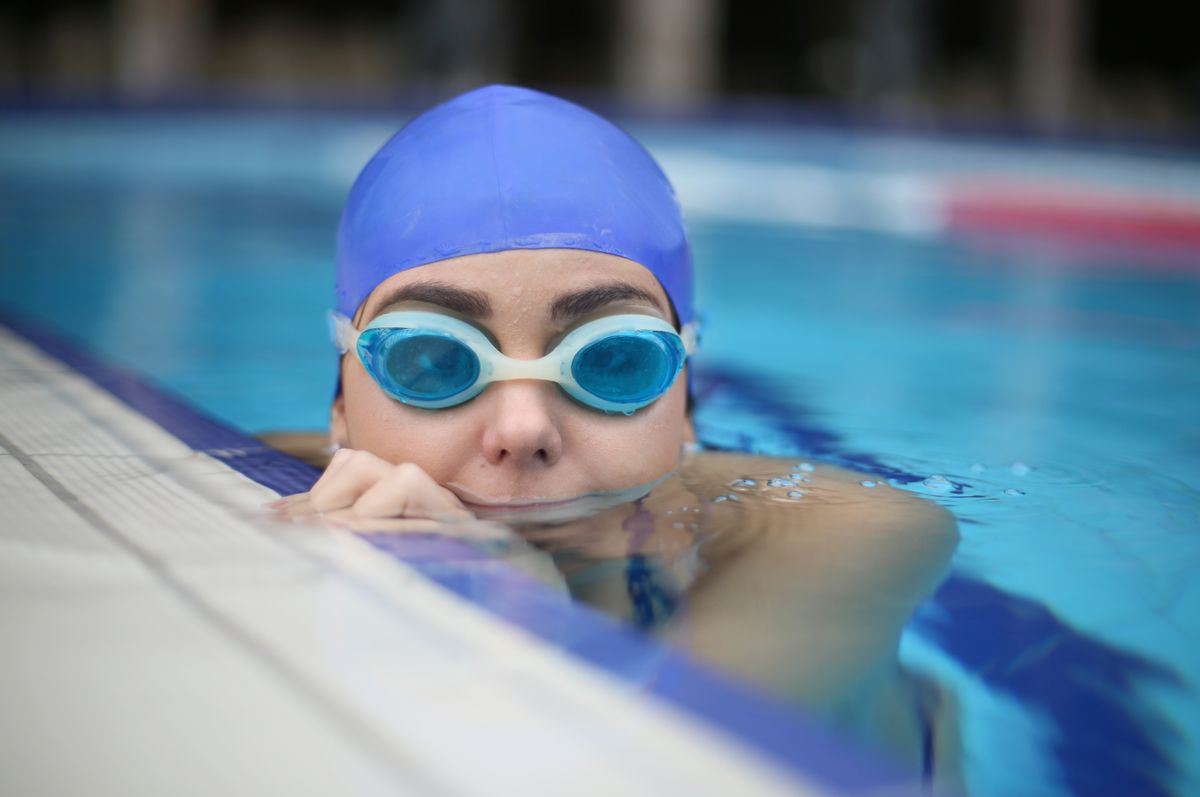
Close-up of a person wearing blue swimming goggles
ITEM NO. 007
PROTECTIVE GEAR

The Swim Goggle

Goggles solve a problem the human eye was never built for: seeing clearly underwater. A curved lens compensates for water's different refractive index, while a silicone gasket keeps the seal watertight against the eye socket.

Competitive swimmers often choose a low-profile design to cut drag, trading a wider field of view for a fraction of a second saved over a race.

Lens materialPolycarbonate
Seal materialSilicone
Common coatingAnti-fog / UV
CARE & MAINTENANCE

Keeping gear game-ready

01

Check the wear points first

Soles, seams, and grips fail before the core of most equipment does. A quick visual check before use catches most problems early.

02

Let it dry fully

Sweat and moisture break down foam, leather, and padding faster than use itself. Gloves, shoes, and pads all last longer stored dry.

03

Replace on schedule, not on failure

Helmets and running shoes both lose protective performance well before they visibly fall apart — most are rated for a set number of uses or years.

SIZING & FIT NOTES

A few things worth getting right

FOOTWEAR
Fit at the end of the day
Feet swell slightly with activity and heat, so trying shoes on later in the day gives a truer sense of fit than a morning try-on.
GLOVES
Snug, not tight
A glove that's too loose lets the hand shift on impact; too tight restricts blood flow over a long session. Snug with room to make a full fist is the standard.
RACKETS
Grip size changes everything
A grip that's too small forces the wrist to overwork; too large limits control. Most players find their size by measuring the palm, not by guessing.
HELMETS
Level, not tilted
A properly fitted helmet sits level and low on the forehead, roughly two finger-widths above the eyebrows, not pushed back off the head.
"The best equipment disappears. You stop noticing the shoe, the glove, the racket — and just notice the game." — A working principle of good gear design
Close-up of a soccer ball on green grass

Good gear is engineered quietly, tested constantly, and replaced before it ever fails you mid-play.